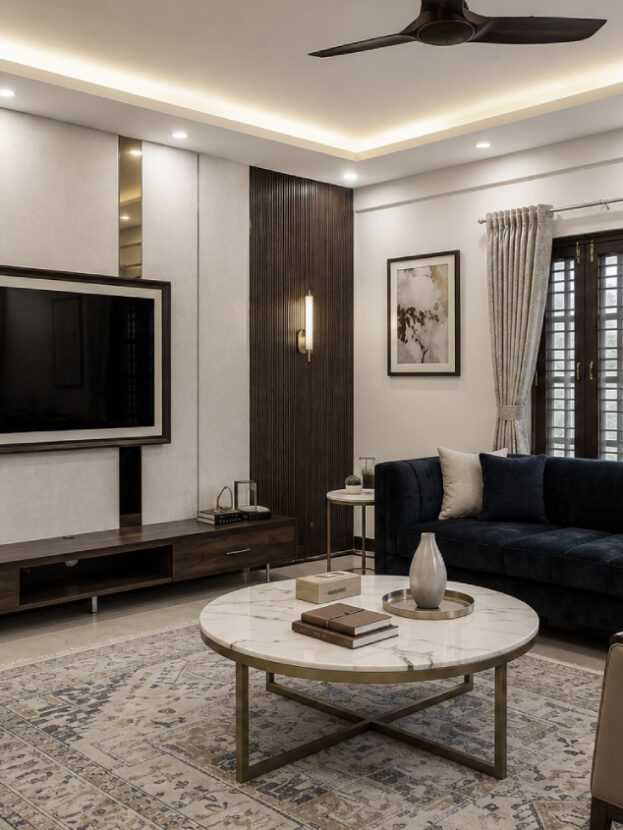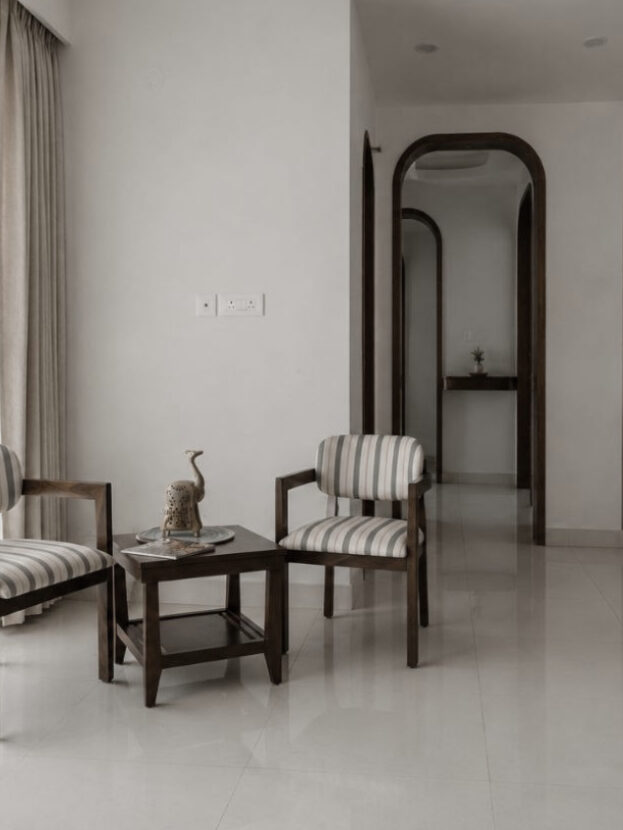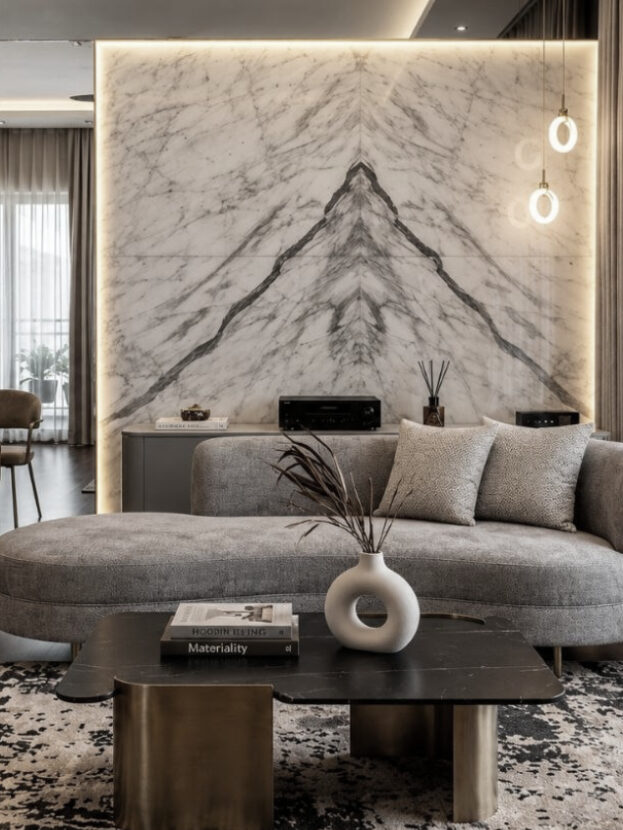

The future of luxury interior design is shifting. Not incrementally. Fundamentally. The drivers are real: the pandemic normalized remote work, making homes workplaces. Air quality became non-negotiable. Material integrity replaced price tags. Mental health moved from wellness buzzword to design priority. Sustainability moved from niche concern to mainstream expectation.
These shifts, happening globally, are manifesting distinctly in Bangalore. A city where tech workers define the resident profile. Where monsoon humidity demands durable materials. Where heritage buildings sit beside new towers. Where international residents bring global expectations. Where working from home isn’t temporary, it’s permanent.
Understanding these trends isn’t about chasing fashion. It’s about understanding what people actually need from their homes now, and anticipating what they’ll need next. Here’s where luxury interior design trends 2026 in Bangalore is heading.
Trend 1: Wellness becomes the foundation, not the add-on
The global shift is undeniable: luxury no longer means ostentatious display. It means health. Sleep quality. Mental clarity. Spaces that support wellbeing rather than demand aesthetic appreciation.
In Bangalore, this manifests with acute specificity. The city sits at 2,900 feet elevation where air quality fluctuates with seasons. During October to January, AQI readings can spike. During monsoon, moisture is omnipresent. A home designed for wellness in Bangalore must actively manage air quality, not assume it.
Air quality and filtration systems
Globally, mechanical filtration is standard in luxury homes now. In Bangalore, it’s essential. But the conversation has evolved. It’s no longer just HVAC. It’s comprehensive air management: source control to reduce what needs filtering, mechanical filtration for what remains, humidity management for the monsoon cycle.
Smart homeowners now specify air quality monitoring. Real-time measurements of PM2.5, PM10, CO2. Not for obsessive monitoring, but for understanding what the apartment needs. A bedroom that reads high CO2 at night means ventilation needs adjustment. These systems, invisible when designed well, become foundational.
Light quality and circadian rhythm design
Light doesn’t just illuminate. It regulates. Circadian rhythms drive sleep, metabolism, cognitive function. A bedroom lit with cool white light at night disrupts sleep. A workspace lacking bright morning light diminishes focus.
In Bangalore, where afternoon heat is intense, strategic light management becomes complex. East-facing apartments get aggressive morning light that wakes naturally but creates glare by 10 AM. North-facing apartments have consistent soft light but need supplementation for mood support. A wellness-focused designer manages these patterns: natural light where it serves, controlled filtration where it doesn’t, and strategic artificial light that supports circadian rhythms.
This means bedrooms where artificial light is warm (2700K) and dimmed in evening. Workspaces where morning light is encouraged and afternoon glare controlled. Living spaces where light shifts throughout the day without disrupting comfort.
Acoustic design and spaces for focus
Bangalore’s growth brings noise. Traffic on major roads. Construction. The city hum. For remote workers and founders, silence becomes precious. Acoustic privacy is no longer luxury, it’s functional necessity.
A designer working in 2026 and beyond understands sound isolation as central to home design. Not soundproofing theaters, but practical acoustics. Strategic material selection that absorbs sound rather than reflects it. Window treatments that reduce external noise. Spatial planning that distances work areas from windows facing busy streets.
In Bangalore apartments where windows dominate open concept spaces, managing noise becomes sophisticated. Soft furnishings, ceiling treatments, strategic placement of bookcases as acoustic absorbers. The acoustic environment becomes as important as the visual one.
Trend 2: Sustainability means integrity, not performance
Global luxury markets have moved past greenwashing. Certification logos and reclaimed wood narratives ring hollow now. Sophisticated buyers want to understand material provenance. Where does it come from? How is it made? Will it last? What happens at end of life?
In Bangalore, sustainability has local urgency. Water scarcity makes material choices consequential. Manufacturing practices affect groundwater. Bangalore’s heritage buildings represent resources already invested. Sustainability becomes about respecting what exists and choosing materials that endure, not replacing quickly.
Material longevity over novelty
A sofa chosen for durability, upholstered in textile that lasts fifteen years, is more sustainable than three trendy sofas replaced every five years. A hardwood floor that lasts fifty years beats laminate replaced twice in that span.
Bangalore’s climate accelerates material degradation for poor choices. Moisture affects cheap laminates and particle board. Heat stresses thin fabrics. Dust infiltration damages ill-sealed finishes. A designer thinking about sustainability thinks first about durability. What materials will actually last in Bangalore’s specific climate? That’s the sustainable choice.
This means sourcing from craftspeople with traceable practices. Wood from verified sustainable forestry. Textiles from manufacturers with labor standards. Materials with certifications backed by audits, not just claims.
Local sourcing and reduced transportation
Bangalore is surrounded by maker networks: furniture craftspeople in Tumkur, textile artisans in nearby villages, stone suppliers with local access. A designer in 2026 prioritizes sourcing from these networks. Not for nostalgia, but for environmental sense. Local sourcing reduces transportation emissions. It also supports regional economies and preserves craft traditions.
This doesn’t mean importing nothing. It means being intentional. Global materials chosen for specific reasons, sourced responsibly. Local materials chosen for accessibility and environmental sense.
Trend 3: Technology disappears into infrastructure
The global luxury trend is clear: smart homes succeeded when technology became invisible. Voice controls without speakers dominating rooms. Lighting that adjusts without visible panels. Climate that maintains without vents disrupting design. Integration without theater.
In Bangalore, where tech-savvy residents expect seamless integration, this becomes standard expectation. But seamlessness is harder than it appears. It requires coordination between architects, electricians, AV specialists, smart home integrators, and designers from project inception.
A designer in 2026 plans infrastructure as carefully as aesthetics. WiFi mesh systems that work flawlessly. Electrical wiring that serves smart systems without visible conduits. Acoustic isolation for server equipment. Charging stations that disappear into furniture. Video conferencing capabilities built into spaces without dominating them.
The result should feel natural. You walk into a space and it responds to you. Lighting adjusts. Temperature adapts. You can call someone on video without moving to a formal office. None of this feels like ‘smart home technology.’ It feels like the space understands you.
Trend 4: Adaptability over fixed design
A global reality: life changes. Families grow or shrink. Work arrangements shift. What served last year might not serve next year. Fixed design assumes static life. Adaptive design assumes change.
In Bangalore, where residents often relocate within three to five years, adaptability matters. A bedroom might become an office. A study might become a gym. Storage needs change. A designer thinking ahead builds flexibility into the foundation.
This doesn’t mean generic spaces. It means thoughtful spaces that adapt without feeling chaotic. Modular furniture that reconfigures. Built-ins that scale. Color palettes that evolve. Lighting that supports multiple functions. A space designed for a couple with two children can adapt when it’s just a couple again, or when a single person lives there next.
Trend 5: Remote work is permanent. Design accordingly.
The pandemic was temporary. Remote work isn’t. In Bangalore, where tech companies were early adopters of hybrid and remote arrangements, this reality is lived daily. Founders work from home three days a week. Employees in corporate offices work remotely occasionally. Contract workers operate entirely from apartments.
This changes what a home needs. Not a dedicated office room necessarily, but functional workspace integrated thoughtfully. A quiet corner of a bedroom. An alcove in a living area. A nook with acoustic isolation. Somewhere you can take a confidential call. Somewhere you can focus deeply.
A designer in 2026 asks: How much of the week will you work from home? What kind of work? Do you take client calls? Do you need privacy? What’s the boundary between work and leisure that feels right? Then designs spaces that support those answers.
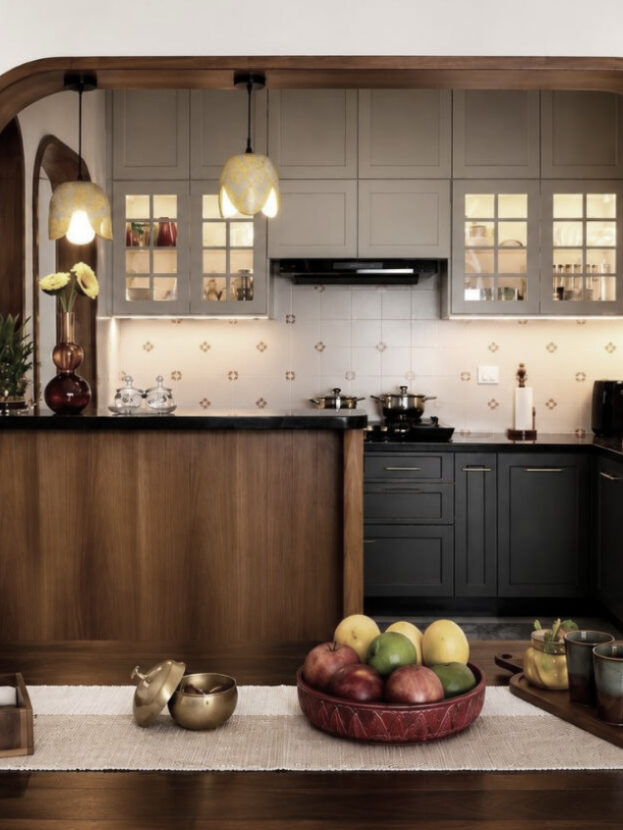
This also means kitchen design shifts. Breaks matter more. A beautiful, functional kitchen that invites you during lunch feels different than a utilitarian kitchen you pass through. Dining and living areas become multipurpose: workspace during the day, social space at night.
Trend 6: Sensory experience matters as much as visual aesthetics
Global luxury design has awakened to an obvious truth: you don’t just see your home, you live in it. How does it feel? Touch a wall. Open a drawer. Walk on flooring. Sit on a sofa. These experiences accumulate into whether a space feels luxurious or just looks expensive.
A designer in 2026 thinks sensorially. A wall in natural plaster has texture that catches light and feels alive to touch. A wooden floor shows grain and develops patina with age, looking and feeling more beautiful over time. Textiles chosen for how they feel, not just how they photograph. Brass hardware that develops character. Finishes that improve rather than deteriorate.
In Bangalore’s climate, sensory materials matter practically. Natural materials that breathe handle humidity better than synthetic ones. Finishes that age gracefully look better than those that degrade visibly. A linen sofa develops patina over time. A wooden table shows use beautifully. These materials whisper luxury through how they age.
Scent matters too. A space should smell fresh and genuine, not perfumed. Material off-gassing is a consideration. Ventilation ensures the smell of home is pleasant, not artificial.
Trend 7: Privacy and acoustic isolation as core luxury
In noisy cities, silence becomes valuable. Acoustic isolation moves from premium add-on to foundational expectation. A bedroom where external noise doesn’t penetrate. A workspace where you can focus. A living area where conversation doesn’t carry to neighbors.
For Bangalore apartments, this is complex. Open windows bring street noise and traffic. Noise travels through shared walls. HVAC systems create background hum. A designer managing acoustic privacy layers solutions: window selection, soft furnishings, spatial planning, sometimes minor structural interventions.
Privacy also means visual privacy. In open concept apartments, creating distinct zones without walls matters. A bookcase that separates spaces visually without fully isolating. Lighting that defines areas. Material transitions that signal different functions.
How these trends intersect with Bangalore’s specific context
Heritage preservation and modernization
Bangalore’s heritage buildings represent continuity. A Benson Town apartment built in 1960, a Richmond Town villa from the 1940s, these spaces have character that new construction can’t replicate. But they also have limitations. Original windows lack modern sealing. Walls are thinner. Infrastructure is dated.
Future luxury in heritage spaces means honoring what exists while meeting modern needs. Recovering original wooden floors. Maintaining architectural details. But also installing modern air filtration. Upgrading electrical for smart systems. Strategic interventions that improve without erasing.
This requires designers who respect heritage. Who understand conservation principles. Who can integrate modern systems without creating visual conflict. Bangalore’s heritage buildings are increasingly valued. Designing for them well is an emerging specialization.
International residents and global expectations
Bangalore attracts global talent. Employees of multinational companies. Startup founders from Singapore, London, San Francisco. They bring expectations shaped by homes in different cities. They expect air quality management. They understand wellness design. They value sustainability earnestly, not as trend.
These residents also appreciate authenticity. They don’t want Bangalore designed like London. They want Bangalore designed brilliantly. Spaces that respect local context while meeting global standards. Design that feels of place while feeling excellent.
What designing for the future actually requires
luxury interior design trends 2026 and beyond requires something beyond aesthetic skill. It requires understanding how people actually live now, and anticipating how they’ll live next. It requires knowledge of climate, materials, technology, wellness, sustainability. It requires listening more than prescribing.
It requires designers who maintain deep professional networks. Acoustic consultants. Air quality engineers. Smart home integrators. Heritage preservation specialists. Material scientists who can speak to durability and environmental impact. No single designer knows everything. But a great design team does.
It requires thinking systemically. Air quality connects to ventilation connects to noise management connects to material selection. Remote work capability connects to acoustic design connects to furniture flexibility connects to technology integration. These aren’t separate decisions. They’re interconnected systems.
Most importantly, it requires respect for the inhabitant. Not designing for Instagram. Not following trends blindly. Designing homes that serve people. That support wellness. That last. That age beautifully. That respect both global standards and local context.
Why Insyde is Positioned for the Future of Luxury Interior Design
The trends shaping 2026 and beyond aren’t hypothetical for us. They’re foundational to how we work now. We specify air quality management and acoustic design as standard. We source materials for durability and sustainability, not price and novelty. We integrate technology to disappear, not impress. We build adaptability into design. We create spaces that support remote work seamlessly. We think sensorially, not just visually.
We also work systemically. We maintain networks with specialists across disciplines. We understand Bangalore specifically, its climate, its heritage buildings, its international residents. We respect that designing here requires different thinking than designing in Mumbai or Bangalore’s tech hubs globally.
We think ten years ahead, not ten trends ahead. What will this space need to support in 2035? That question shapes every decision made in 2026.
If you’re building a home in Bangalore that needs to serve you well for the next decade, that needs to support how you actually live, that needs to respect both sustainability and wellness, that needs to be excellent in every way that matters, we’re the designers to do it.
Ready to design a home for how you’ll live next?
Let’s talk about what matters to you. About how you live. About what your space needs to support. We’ll design something that serves you today and remains excellent for years to come.