
Finding the right interior designers for founders and CXOs means finding a team that understands psychology as much as aesthetics. It’s part of what makes designing luxury homes for CXOs fundamentally different from typical luxury design.
A founder who built a SaaS company doesn’t want his home to look expensive. He wants it to function like he thinks. A chief executive who manages thousands of people doesn’t need a home that impresses others. She needs one that sustains her. An investor who travels constantly needs a space that recenters her when she’s home.
These are not typical luxury homeowners. They don’t buy things to say “I bought expensive things.” They don’t design spaces to broadcast success. They design spaces to support their lives and minds.
The difference between designing for ultra-high-net-worth individuals and designing for affluent professionals is fundamental. It’s not about higher budgets, though budgets are higher. It’s about understanding what actually matters to people who’ve achieved significant success. What they value. How they live. What their spaces need to support. Designing for founders and CXOs requires a different caliber of thinking.
The psychology of success: How ultra-accomplished people think about space
A founder or CXO has made thousands of decisions. Built something. Scaled it. Managed risk. Made choices that affected hundreds or thousands of people. By the time they’re designing a home, their relationship to consumption and display has matured.
Most ultra-successful people understand the difference between value and price. A ₹5 lakh sofa is expensive. But if it lasts fifteen years and gets used every day, the cost per use is ₹11. A ₹50,000 sofa that needs replacement every three years costs ₹16 per use. They think in these terms naturally.
They also understand that spaces influence thinking. A founder who’s struggling with a decision needs a space that clarifies thought, not clutters it. A CXO who needs to be present for her team needs a home that doesn’t demand emotional labor when she’s off-duty. An investor who needs to think deeply needs silence, not aesthetic stimulation.
This is the insight that separates luxury design for this demographic from luxury design for others. The home isn’t a museum. It’s a tool. It supports how the person lives, thinks, and recharges. Every material choice, every spatial decision, every detail should serve that purpose. This is exactly why interior designers for founders need to think beyond conventional luxury design.
The home as an extension of identity
A founder’s home often reflects her philosophy. If she values sustainability, the space should embody that through material choices and resource efficiency. If he believes in craftsmanship, the home should showcase thoughtfully made pieces. If she’s built a team culture around innovation, the space should feel creative and open to ideas.
But this reflection is subtle. Ultra-successful people generally don’t want spaces that broadcast who they are. They want spaces that are coherent with who they are. The philosophy lives in details. Material sourcing. How spaces connect. How light moves through rooms. The quality of finishes. Not in statement pieces or obvious themes.
A designer working with this demographic has to understand the person deeply enough to infer what their space should communicate about them, without them having to say it explicitly. That requires listening beyond words. Understanding what matters. What they value. What they protect. What they’re proud of.
How ultra-successful people actually live at home
Work-life boundaries are complex, not simple
A founder or CXO rarely has a clean separation between work and personal time. They might work from home three days a week. They might take calls at unusual hours. They might need a private space for confidential conversations. They might host investor dinners that blur the line between personal and professional.
A designer needs to understand these patterns. Where do they actually take calls? In an office space, or curled up on a sofa? Do they need privacy for some conversations but openness for others? Do they ever work with teams from home? How much do they need their home to feel distinctly separate from their professional identity?
The solution isn’t a dedicated office room, necessarily. It might be a quiet corner of a living area. A nook with acoustic treatment. A layout that allows fluidity between work and leisure without feeling chaotic. The designer’s job is to understand the boundary the person needs, not impose a standard boundary. This is where interior designers for founders make the biggest difference understanding these invisible boundaries.
They travel frequently. Home needs to recenter them.
Many CXOs and founders are on planes regularly. They’re in different cities, managing time zones, dealing with decision fatigue. Home becomes a place where they need to shift gears emotionally and mentally. The space needs to support that transition.
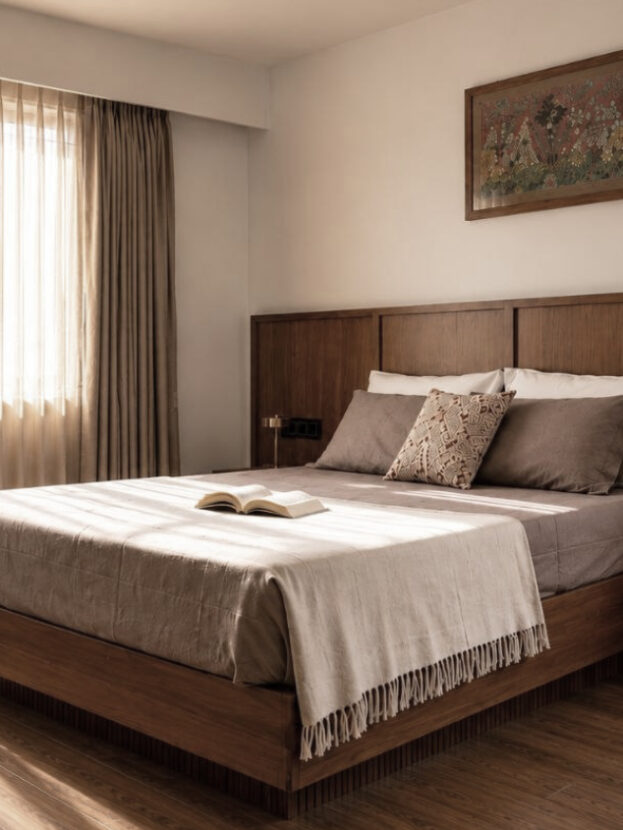
This means comfort that’s genuine, not showy. A bed that feels like restoration, not a statement. A room that feels like arrival, not display. Colors and materials that feel settled and grounding. Spaces that don’t demand interpretation or engagement when they’re tired.
A designer should ask: When you walk in after a long trip, what do you need to feel? Relief. Calm. Restoration. The design should support that feeling immediately, without thought.
They host people strategically, not constantly
Unlike many luxury homeowners, founders and CXOs often don’t use their homes primarily for entertaining. They might host occasionally, but it’s purposeful. An investor meeting. A team retreat. A dinner with people who matter. Not constant social performance.
This means guest spaces need to be excellent, but private spaces matter more. The bedroom, the office, the spaces where they live daily deserve more investment than the entertainment zones. A designer working with this demographic prioritizes the inhabitant’s comfort over the impression on guests.
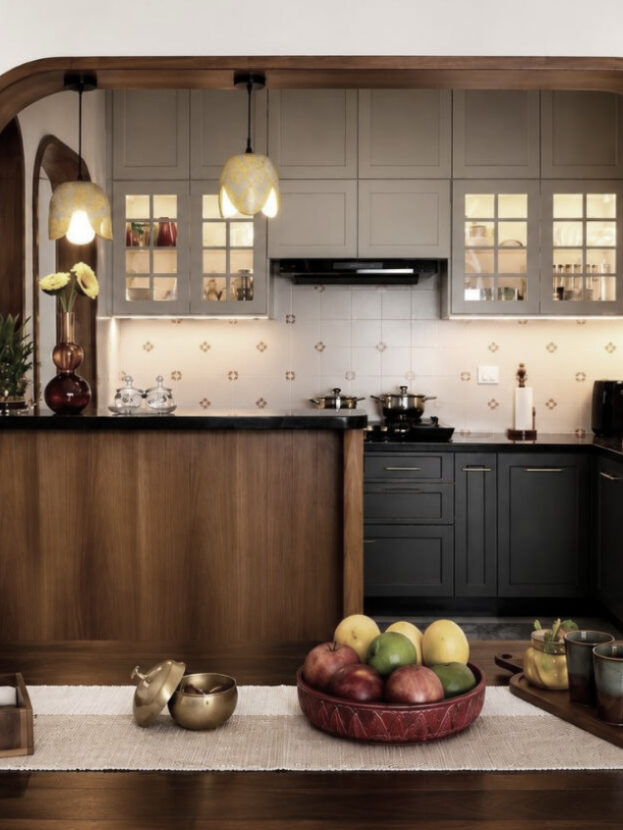
When entertaining does happen, the space should make hosting effortless, not effortful. A kitchen that functions beautifully so cooking becomes pleasure, not labor. A dining area where conversation flows naturally. A living space that accommodates groups without feeling disrupted.
Health, wellness, and longevity matter differently
Ultra-successful people are often deeply invested in health. Not vanity fitness, but genuine wellness. This might mean a home gym. But more importantly, it means air quality. Light quality. Spaces that support movement and flexibility. Materials that don’t off-gas. Water systems that filter well.
A founder might meditate. A CXO might practice yoga. An investor might run. The home should support these practices, not as gym spaces, but as integrated elements. A quiet corner with good light and acoustic privacy. Flooring that feels good underfoot. Windows positioned to provide views that feel restorative.
Sleep quality is also paramount. A bedroom designed with attention to light control, temperature, sound isolation, and the feel of materials matters profoundly. Bedding isn’t luxury threads. It’s restoration. The quality of rest directly affects cognitive performance, and ultra-successful people understand that.
Technology should be invisible
These individuals live connected lives. They need robust WiFi. They might need smart systems for lighting, climate, security. They might want video conferencing capabilities in their home office.
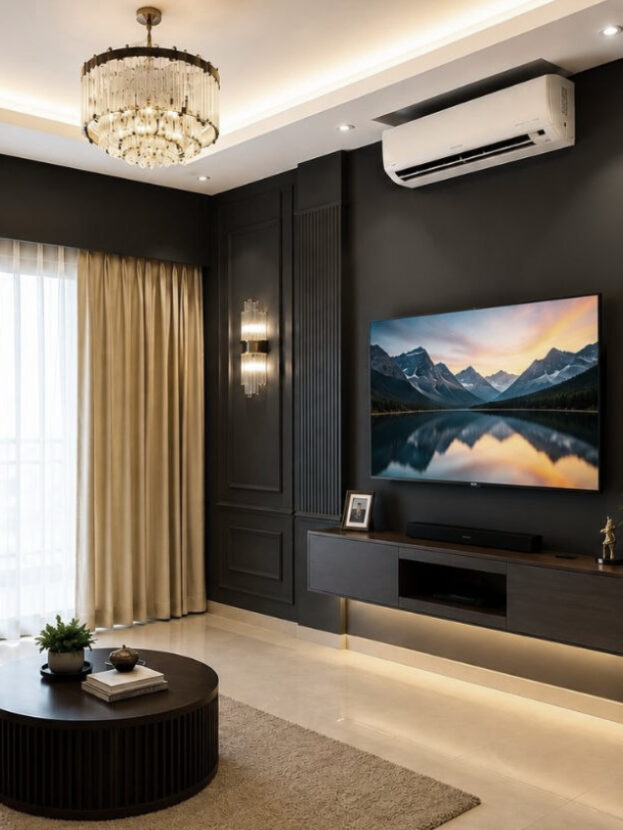
But they rarely want technology that announces itself. No smart home control panels that dominate walls. No visible wiring. No technological theater. The technology should work seamlessly and then disappear. Voice controls that respond quietly. Lights that adjust without switches being visible. Climate that’s maintained without vents dominating the visual landscape.
A designer working at this level needs to understand that technology infrastructure is as important as the visible design. Coordinating with AV specialists, IT consultants, and smart home integrators is part of the process. The result should feel simple and human, even though the underlying systems are complex.
What Luxury Homes for CXOs Actually Look Like
Luxury is efficiency masquerading as ease
A luxury home for this demographic functions flawlessly. Everything works. Nothing requires thought. The coffee maker does what you expect. The drawer opens smoothly. The lighting adjusts intuitively. The temperature stays constant. The shower delivers perfect pressure.
This seems simple but requires meticulous attention. It means commissioning appliances that don’t just look good but perform excellently. Specifying hardware that moves smoothly for the tenth thousand time it’s opened. Designing ventilation systems that work invisibly. Testing everything before the inhabitant arrives.
A CXO who spends her day solving problems doesn’t want her home to present problems. She wants efficiency. Not out of minimalism, but out of respect for her time and energy.
Luxury is authenticity
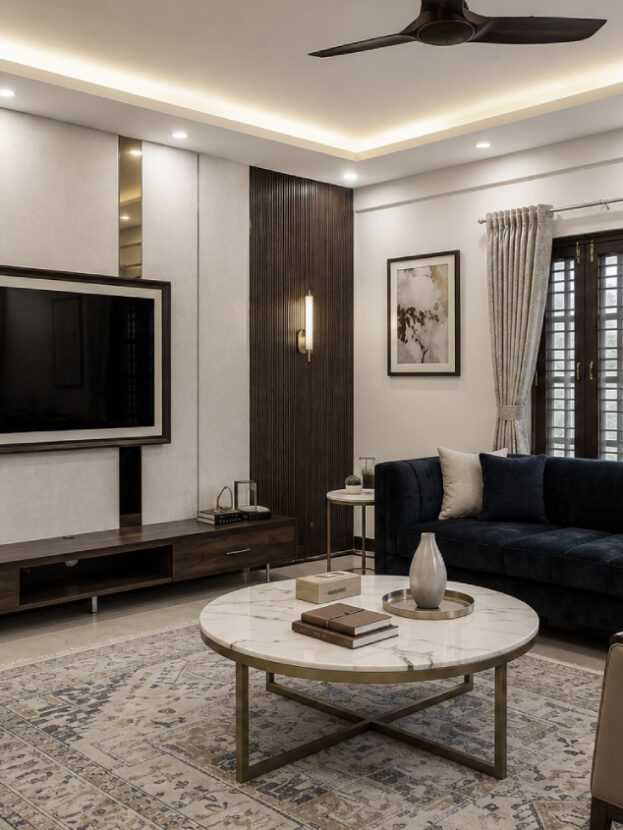
A founder or CXO can spot fake. Fake luxury finishes. Showy brands deployed for visibility. Materials chosen for price rather than durability. They value authenticity. Real wood that shows grain. Textiles that feel genuine. Metals that develop patina. Materials that age gracefully rather than deteriorate visibly.
This is where a designer’s sourcing decisions become paramount. Where do materials come from? How are they made? What’s the story behind them? A designer who can articulate the why behind material choices earns trust with this demographic. “This brass develops a natural patina over time, creating uniqueness. This wood species is chosen because it grows abundantly in Kerala and feels warm naturally, not stained.”
Authenticity also extends to not doing unnecessary things. Not every wall needs to be a feature. Not every corner needs a design moment. Restraint is luxury.
Luxury is precision
Details matter profoundly. The way a door closes. The weight of cabinetry. The finish of wood. The color of grout. The spacing of light fixtures. A founder who’s built something at scale notices when things are precise and when they’re approximate.
Precision communicates respect. It says the designer cared about the details because they understand that the inhabitant will experience those details daily. A door that closes with a soft click. Cabinetry drawer that opens smoothly every time. Lighting positioned to illuminate exactly what needs illuminating, nothing more.
This precision requires a designer who collaborates with contractors who share that standard. Quality craftspeople. Vendors who deliver consistently. Processes that verify everything.
Luxury is the absence of compromise
When a founder or CXO identifies something they want, they generally want it completely. Not a workaround. Not an alternative. The actual thing. A designer working at this level needs to understand that half-measures disappoint. Better to be direct: “What you’re asking for requires X, which takes Y time and costs Z. Are you committed to that?” Than to impose a compromise the client didn’t request.
This doesn’t mean unlimited budgets solve everything. It means clear trade-offs. “We can have that exact sofa design, but we can’t have it in that exact fabric. Here are the alternatives.” Clear communication, no theater.
Choosing the Right Interior Designers for Founders and CXOs
We design luxury homes for CXOs and founders who want spaces that serve their lives, not just impress others. Designing homes for founders and CXOs requires a designer who doesn’t just execute aesthetics, but understands the intersection of space, psychology, and performance. We’ve worked with this demographic extensively. We understand what matters to them and what doesn’t. We know the difference between what they think they want and what actually serves them.
We also understand that designing for ultra-accomplished people means being comfortable with intellectual discourse. They’ll question decisions. They’ll want to understand the reasoning. They’ll offer insights that challenge conventional design thinking. That’s not difficult. That’s a gift. It produces better work.
We don’t design spaces to impress. We design spaces to serve. We listen more than we talk in initial consultations. We ask questions about how you actually live, not how you want to appear to others. We propose solutions grounded in understanding, not templates applied repeatedly.
We source materials thoughtfully. We know manufacturers and artisans who produce at the highest standards. We’re willing to wait for the right pieces rather than settle for available ones. We coordinate with engineers, AV specialists, and IT consultants to integrate technology invisibly. We manage projects with precision because we understand that precision communicates respect.
We also know that for this demographic, time is the most valuable resource. We deliver on timelines not because we rush, but because we’re organized. We communicate progress clearly. We solve problems before they affect you. We think about your project like you think about your business: with attention, discipline, and the commitment to excellence.
If you’re a founder or CXO looking for someone who understands how ultra-successful people actually live, and can design spaces that support that life with authenticity and precision, we’d welcome the conversation.
Ready to design a home that serves your life and mind?
Let’s begin with a conversation. No presentations. No mood boards yet. Just an exploration of how you live, what matters to you, and what your space needs to support your thinking and your time.